In lifting and rigging operations, shackles are indispensable components that connect slings, hooks, and other hardware to loads. Selecting the right shackle is critical to ensure safety, efficiency, and longevity of your lifting equipment. This guide will walk you through the essential factors to consider when choosing shackles for your specific application.
Understanding Shackle Types and Their Uses
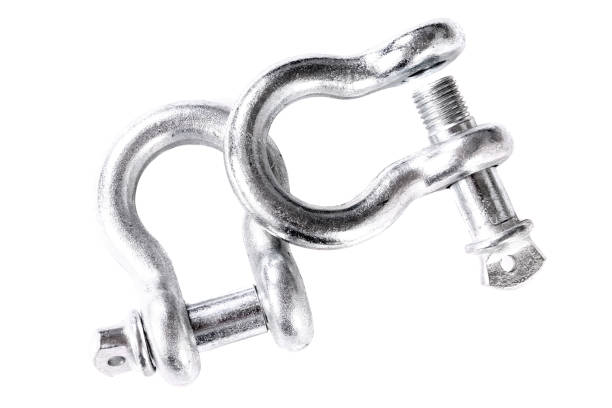
- Bow Shackles (Anchor Shackles)
Bow shackles have a rounded, “Ω”-shaped body that allows for multi-directional loading. This makes them highly versatile, suitable for applications where loads may shift or multiple slings are attached simultaneously. Their shape reduces the risk of bending or damage when accommodating multiple connections.
- Dee Shackles (Chain Shackles)
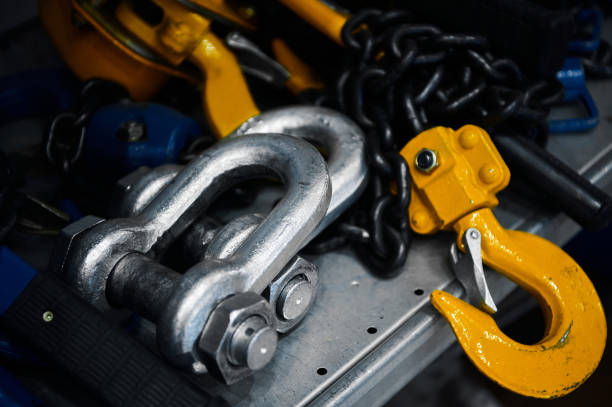
Dee shackles feature a narrow, straight-sided body designed for straight-line pulls. They provide better load alignment but are not recommended for side loading or multi-directional forces, as this can significantly reduce their working load capacity.
Working Load Limit (WLL): The Most Critical Factor
Always select a shackle with a Working Load Limit (WLL) that meets or exceeds the maximum load you expect to lift, including any dynamic or shock loads. The shackle’s WLL should also be comparable to the WLL of other rigging components in your setup to maintain system integrity and safety.
Pin Types: Choose Based on Application and Security Needs
- Screw Pin Shackles: These have a threaded pin that screws into the shackle body, allowing for quick and easy installation and removal. They are ideal for temporary or frequent connections but must be hand-tightened before each use. For applications involving vibration, additional securing methods like mousing (wire securing) are recommended.
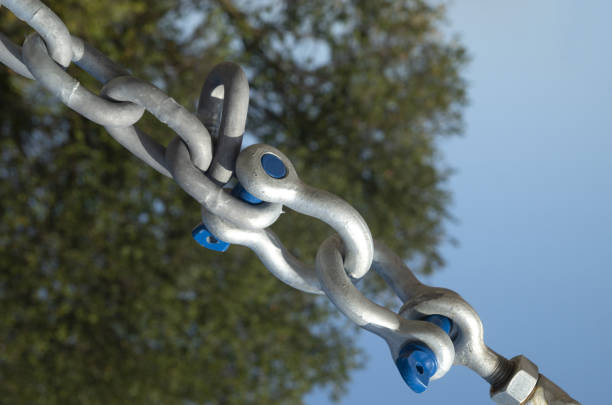
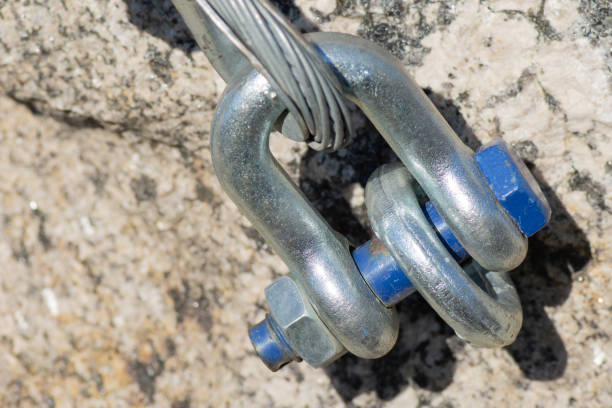
- Bolt-Type (Nut and Cotter Pin) Shackles: Featuring a bolt secured with a nut and cotter pin, these provide a more secure, semi-permanent connection. They are preferred for overhead lifting and permanent installations where accidental loosening must be prevented.
Load Direction and Side Loading Considerations
Shackles are designed to be loaded along their centerline. Side loading—where the load is applied at an angle greater than 5° from the centerline—reduces the effective WLL:
- 6° to 45° side load: reduce WLL by approximately 30%
- 46° to 90° side load: reduce WLL by approximately 50%
- Loads applied over 90° side loading are not recommended due to high risk of failure
If side loading is expected, bow shackles are preferred over dee shackles because of their ability to handle multi-directional forces better.
Material Selection: Match to Environment and Load
- Carbon or Alloy Steel: Commonly used for general and heavy-duty lifting due to their strength.
- Stainless Steel: Offers excellent corrosion resistance, ideal for marine or corrosive environments.
- Galvanized or Coated Shackles: Provide additional corrosion protection for harsh conditions.
Choosing the right material extends the service life of the shackle and ensures safety in specific environments.
Compliance with Safety Standards
Ensure shackles meet recognized industry standards such as:
- ASME B30.26
- RR-C-271
- EN 13889 (Europe)
- AS 2741 (Australia)
Inspection and Maintenance
- Before each use, inspect shackles for:
- Deformation (e.g., bending or twisting)
- Cracks or corrosion
- Worn or damaged threads on pins
- Legible markings
Remove any shackle from service if defects are found. Regular maintenance and proper storage protect shackles from premature wear and failure.Summary Table: Choosing the Right Shackle
|
Factor
|
Recommendation
|
|
Shackle Type
|
Bow for multi-directional loads; Dee for straight-line pulls
|
|
Working Load Limit
|
Select WLL ≥ maximum expected load including dynamic effects
|
|
Pin Type
|
Screw pin for temporary use; bolt-type for secure, permanent connections
|
|
Load Direction
|
Load in line with centerline; reduce WLL for side loading; avoid >90° side loading
|
|
Material
|
Carbon/alloy steel for strength; stainless steel or galvanized for corrosion resistance
|
|
Standards Compliance
|
Verify compliance with ASME B30.26, RR-C-271, EN 13889, AS 2741, etc.
|
|
Inspection
|
Check for damage, wear, and markings before use; replace defective shackles
|
Choosing the right shackle is not just about picking a piece of hardware—it’s about ensuring the safety of your team, protecting your load, and optimizing your lifting operations. By understanding the types, load requirements, pin options, environmental factors, and compliance standards, you can confidently select shackles that meet your specific needs and industry regulations.
For expert advice and quality shackles that comply with the highest safety standards, feel free to contact our team. We’re here to help you lift safely and efficiently.


