Introduction
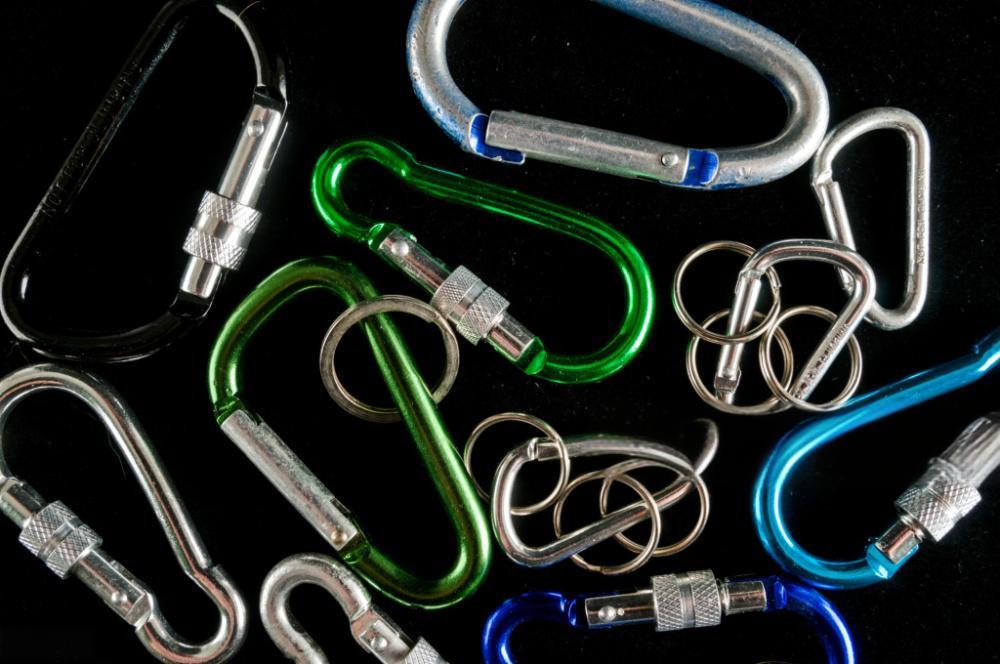
A snap hook is a simple yet essential fastening device used in climbing, rigging, marine applications, and everyday tasks. Its spring-loaded gate allows quick attachment and detachment while keeping items securely connected.
In this blog, we’ll cover:
✔ What is a snap hook?
✔ Different types and their uses
✔ Key safety considerations
✔ How to choose the right one
What Is a Snap Hook?
A snap hook is a metal hook with a spring-loaded gate that automatically closes to secure ropes, carabiners, chains, or straps. It’s commonly made from steel, stainless steel, or aluminum for strength and corrosion resistance.
Key Components:
Types of Snap Hooks & Their Uses
Key Features to Consider
|
Feature |
Why It Matters |
|
Material |
Stainless steel (rust-proof) vs. aluminum (lightweight). |
|
Load Capacity |
Check Working Load Limit (WLL) for safety. |
|
Gate Type |
Self-locking > screw gate > basic spring gate. |
|
Size & Shape |
Larger hooks for heavy loads, compact for easy handling. |
|
Certifications |
Look for EN 362 (fall protection) or UIAA (climbing). |
Common Applications
✅ Climbing & Safety Gear – Attaching harnesses, lanyards.
✅ Marine & Boating – Securing sails, ropes, and dock lines.
✅ Construction & Rigging – Connecting chains, slings.
✅ Outdoor & Camping – Hanging gear, securing tents.
✅ Everyday Use – Keychains, pet leashes, tool tethers.
Safety Tips for Using Snap Hooks
⚠ Inspect Before Use – Check for cracks, rust, or gate malfunctions.
⚠ Avoid Side Loading – Stress on the gate can cause failure.
⚠ Use Locking Hooks for Critical Loads – Prevents accidental release.
⚠ Never Overload – Stay within the WLL (e.g., 5,000 lbs for heavy-duty hooks).
Maintenance & Care
🔧 Clean Regularly – Remove dirt and salt buildup.
🔧 Lubricate the Spring – Use silicone spray for smooth operation.
🔧 Store Properly – Keep in a dry place to prevent corrosion.
Conclusion
Snap hooks are versatile, durable, and essential for securing loads in various industries. Choosing the right type—whether for climbing, marine use, or industrial rigging—ensures safety and efficiency.