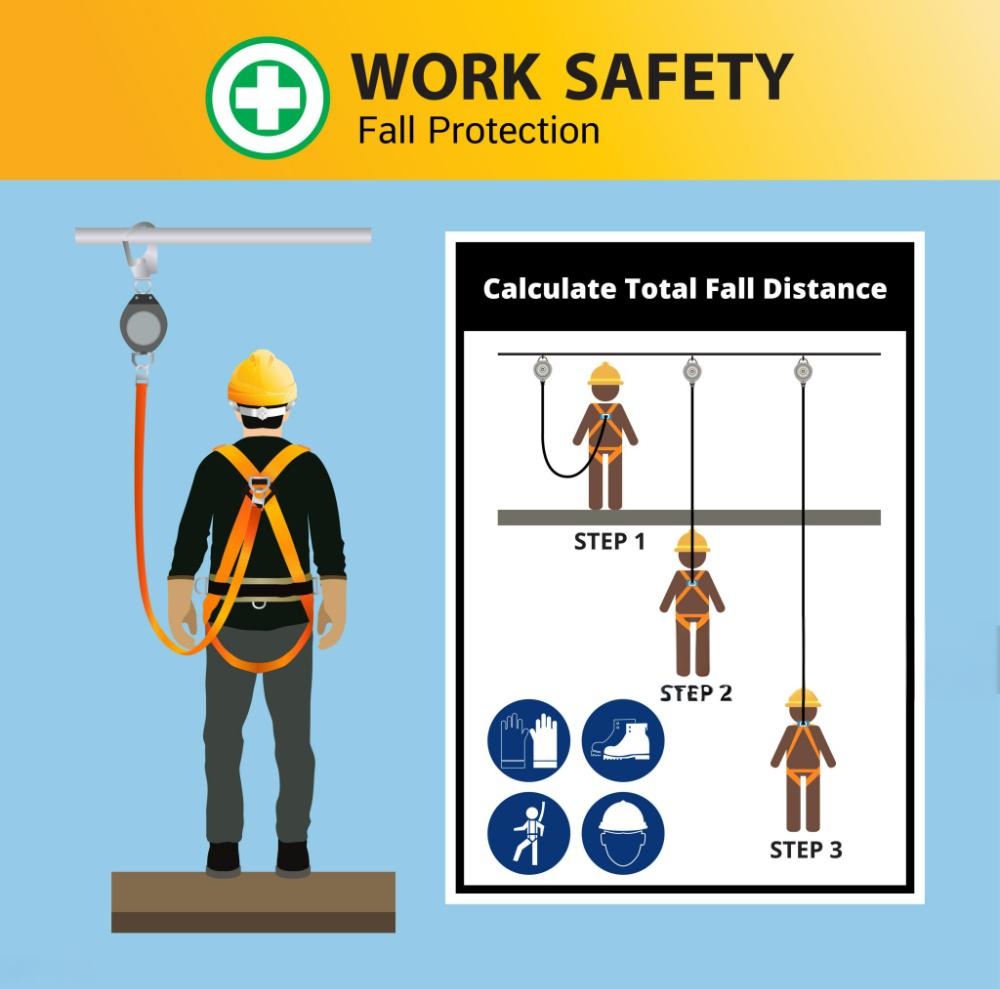
Working at height comes with inherent risks, whether you're in construction, window cleaning, roofing, or any industry that requires elevation. One of the most critical pieces of safety equipment in these scenarios is the safety harness. In this blog, we’ll explore what a safety harness is, why it’s essential, and how to choose the right one for your needs.
What Is a Safety Harness?
A safety harness is a system of straps, buckles, and connectors designed to secure a person to an anchor point, preventing falls or minimizing injury if a fall occurs. Unlike a simple safety belt, a full-body harness distributes force across the shoulders, chest, waist, and thighs, reducing the risk of serious injury.
Why Is a Safety Harness Important?
- Fall Arrest – The primary purpose of a harness is to stop a worker from hitting the ground in case of a fall, significantly reducing the risk of fatal injuries.
- Fall Prevention – When used with a lanyard and anchorage point, it keeps workers from reaching dangerous edges.
- Compliance with Safety Regulations – Many occupational safety laws (such as OSHA in the U.S.) mandate the use of harnesses when working at heights above a certain threshold.
- Increased Mobility – Unlike guardrails, harnesses allow workers to move freely while staying protected.
Key Components of a Safety Harness
- Straps & Webbing – Made from durable materials like nylon or polyester.
- D-Rings (Back, Front, or Side) – Used to attach lanyards or lifelines.
- Buckles & Adjusters – Ensure a snug and secure fit.
- Shock Absorber (if part of a fall arrest system) – Reduces the impact force on the body during a fall.
Choosing the Right Safety Harness
When selecting a harness, consider:
- Comfort & Fit – Adjustable straps help customize the fit for different body types.
- Type of Work – Construction, tower climbing, and rescue operations may require different harness designs.
- Durability & Weight Capacity – Check the manufacturer’s specifications for maximum load limits.
- Compliance Standards – Look for certifications like ANSI, OSHA, or EN standards.
Proper Use & Maintenance
- Inspect Before Each Use – Check for frayed straps, damaged buckles, or worn stitching.
- Store Properly – Keep away from moisture, chemicals, and direct sunlight.
- Replace When Necessary – If a harness has been involved in a fall, retire it immediately—even if no damage is visible.
Final Thoughts
A safety harness is more than just equipment—it’s a lifeline. Investing in a high-quality harness and using it correctly can mean the difference between life and death when working at height. Stay safe, stay secured, and never compromise on safety!