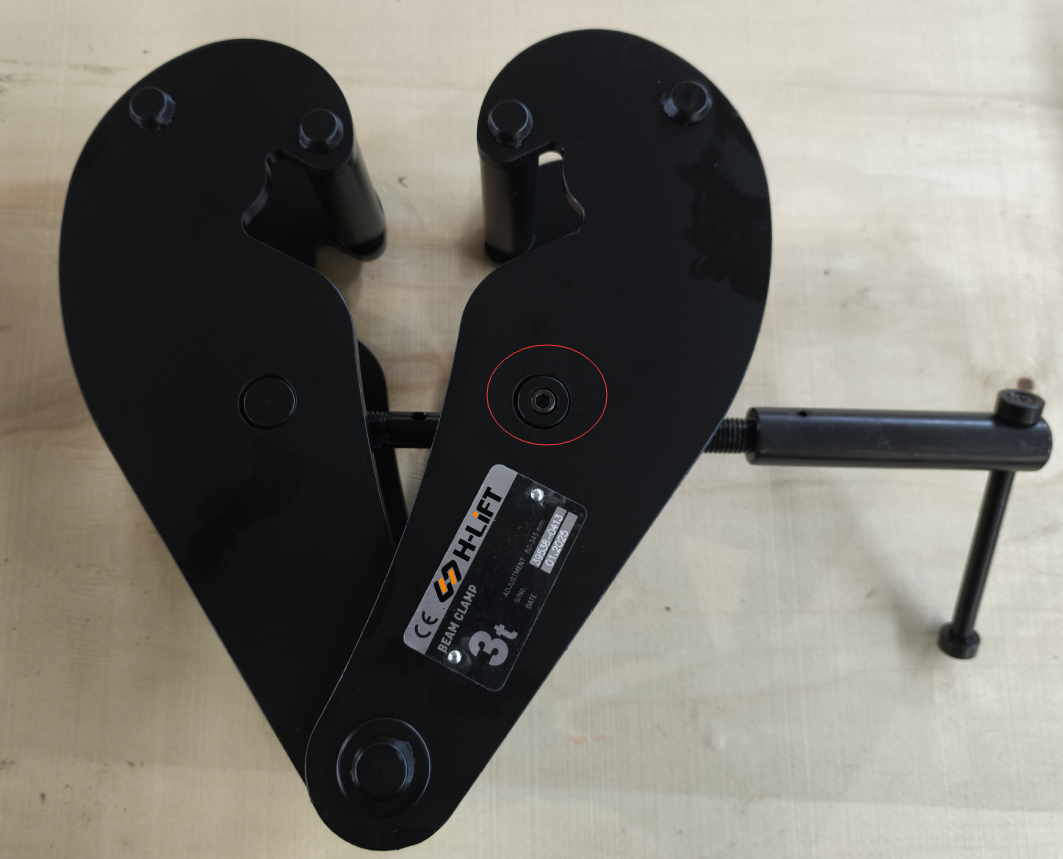
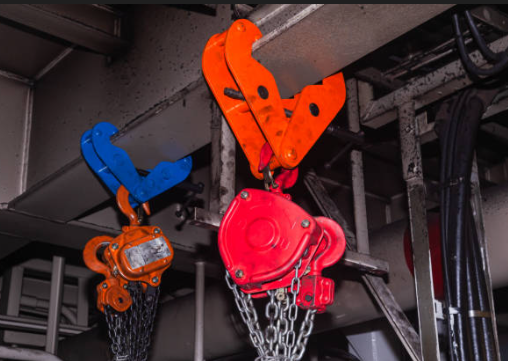
The locking screw on a beam clamp provides several key advantages, particularly in safety, stability, and load security. Here are the main benefits:
Prevents Slippage
- The locking screw secures the clamp firmly onto the beam flange, preventing it from sliding or shifting under load.
- Critical for dynamic loads (e.g., lifting, pulling) where vibration or movement could loosen the clamp.
Enhances Load Capacity
- A locked clamp distributes weight more evenly, reducing stress on the beam’s edge.
- Some manufacturers rate locked clamps for higher working loads than non-locking versions.
- Improves SafetyEliminates accidental disengagement due to impact, jerking, or side-loading.
- Reduces the risk of the clamp walking off the beam during use.
Allows Adjustable Positioning
- The screw lets you fine-tune the clamp’s position before loading, ensuring optimal placement.
- Useful when precise alignment is needed (e.g., rigging, scaffolding, or hoisting).
Versatility for Different Beam Sizes
- The screw can be tightened to fit varying beam flange thicknesses, providing a snug fit even on slightly undersized beams.
When to Use a Locking Screw Beam Clamp?
✔ Overhead lifting (e.g., chain hoists, trolleys).
✔ Rigging applications with side forces.
✔ Long-term installations (e.g., suspended platforms, signage).


