
In rigging, construction, marine, and entertainment industries, two components frequently cause confusion: open-body turnbuckles and rigging screws (often called "closed-body turnbuckles"). While both serve the critical function of adjusting tension in cables, wires, and rods, their design differences dictate distinct applications, advantages, and limitations. Understanding these nuances ensures optimal safety, efficiency, and performance in your projects.
1. Core Design & Structural Differences
Open-Body Turnbuckles:
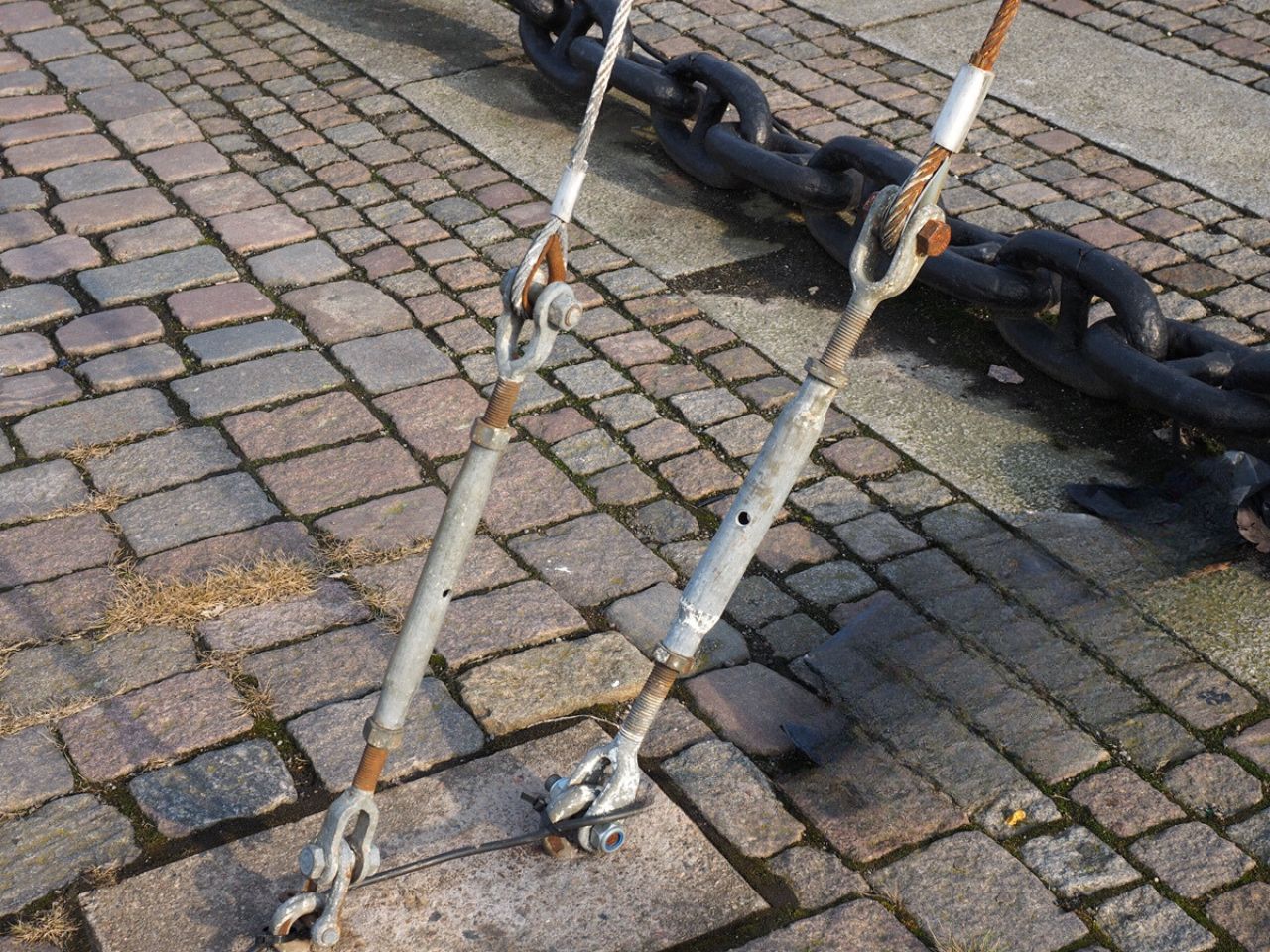
Frame Design: Features an open frame without an enclosing sleeve. This exposes the central threaded barrel.
Adjustment Mechanism: Uses left-hand and right-hand threaded ends. Rotating the central barrel simultaneously tightens or loosens both ends.
Visual Indicators: Allows direct inspection of threads and load points, enabling mid-span adjustments without disassembly.
Rigging Screws:
Enclosed Design: Incorporates a metal sleeve (often hexagonal or round) shrouding the central barrel. This protects threads from environmental damage.
Load Distribution: The enclosed sleeve acts like a "buttress," distributing shear forces evenly and reducing point stress concentrations—similar to buttress plates in structural engineering.
Corrosion Resistance: Ideal for marine or outdoor use due to reduced exposure to debris and moisture.
2. Functional Applications
Open-Body Turnbuckles Used When:
Frequent Adjustments are needed (e.g., stage rigging, temporary structural bracing).
Visual Monitoring is critical for safety checks.
Budget Constraints exist, as they are typically 15–20% cheaper than rigging screws.
Rigging Screws Are Preferred For:
Permanent or High-Vibration Environments (e.g., marine rigging, bridge cables). The sleeve prevents unintended rotation.
High-Load Applications: The enclosed design offers superior resistance to multidirectional forces, much like buttress plates in joint fractures.
Harsh Environments: Saltwater, dust, or chemical exposure where thread protection is essential.
3. Advantages & Limitations
| Feature |
Open-Body Turnbuckle |
Rigging Screw |
| Adjustment Speed |
Fast (direct barrel access) |
Slower (sleeve removal may be needed) |
| Durability |
Prone to thread contamination |
High (sleeve shields threads) |
| Safety |
Requires frequent inspections |
Tamper-resistant; reliable in critical loads |
| Cost |
Lower |
Higher (premium for protection) |
4. Industry-Specific Use Cases
Marine & Offshore: Rigging screws dominate. Their corrosion-resistant plating (e.g., hot-dip galvanizing) and enclosed barrels withstand saltwater degradation.
Theatre & Events: Open-body turnbuckles are favored for rapid stage adjustments and overhead rigging due to visibility and ease of use.
Construction: Rigging screws anchor permanent structures (e.g., towers) where wind-induced vibrations could loosen exposed threads.
5. Selection Checklist: Which to Choose?
Consider rigging screws if:
Loads exceed 70% of the fitting’s rated capacity.
The environment is corrosive or high-vibration.
Minimal maintenance access is available.
Choose open-body turnbuckles if:
Adjustments are frequent and precision is key.
Cost efficiency is prioritized (e.g., temporary installations).
Visual verification of components is possible.
6. Maintenance & Inspection Best Practices
Open-Body: Lubricate threads monthly; check for debris or thread deformation. Replace if bending exceeds 5°
Rigging Screws: Annually disassemble sleeves to inspect barrel threads. Use torque wrenches to verify tension integrity.
Conclusion: Precision Meets Protection
While both devices achieve tension control, open-body turnbuckles offer flexibility and economy for dynamic, low-risk applications, whereas rigging screws deliver unmatched durability for critical, high-stress environments. Selecting the right tool hinges on assessing load dynamics, environmental factors, and safety margins—never compromise on certified hardware or regular inspections.


